Cape Vultures of the Magaliesberg
The striking silhouettes of Cape vultures Gyps coprotheres soaring high over the dramatic cliffs of the Magaliesberg Mountains captivate hikers. But these birds are more than just scenic…
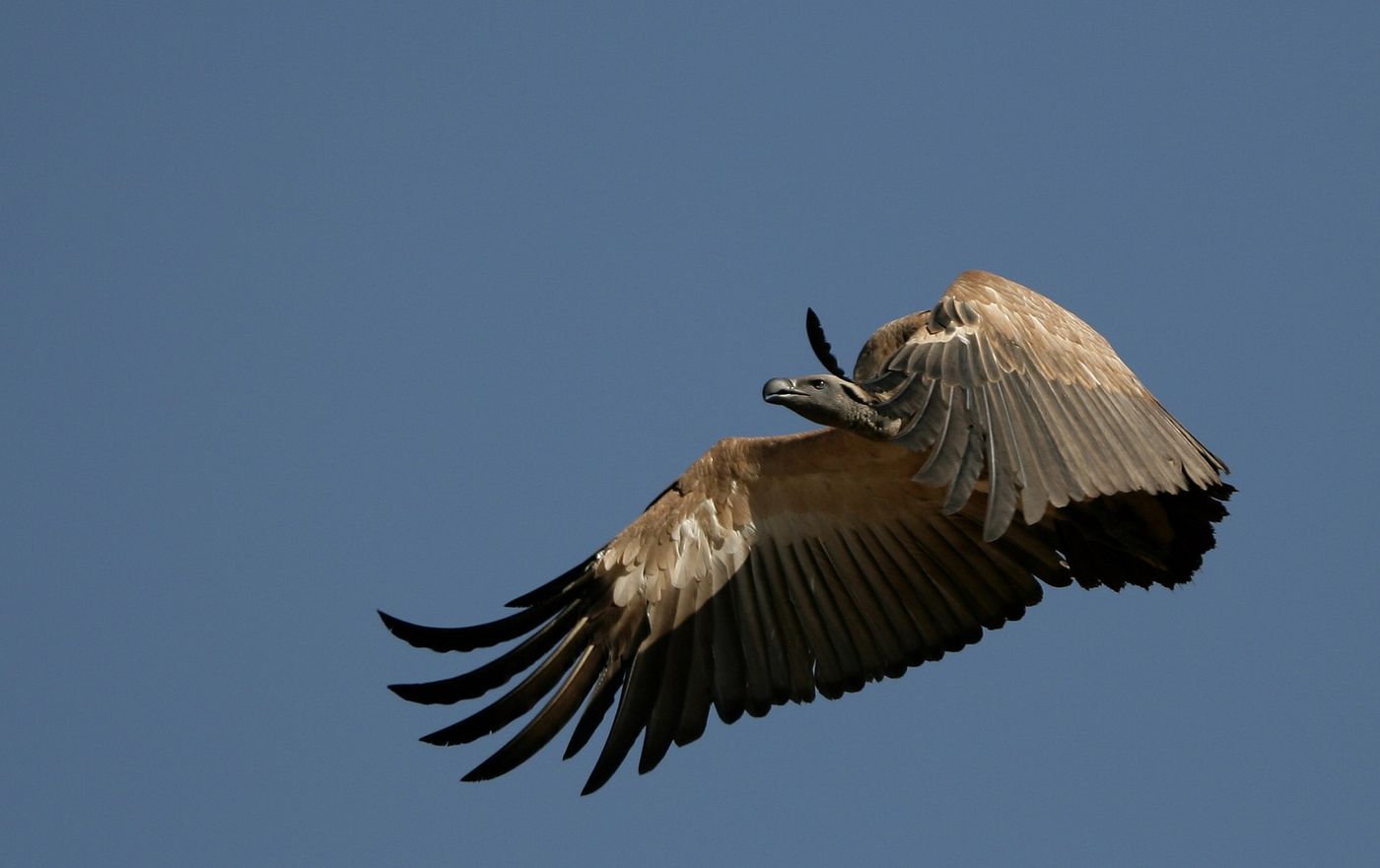
The striking silhouettes of Cape vultures Gyps coprotheres soaring high over the dramatic cliffs of the Magaliesberg Mountains captivate hikers. But these birds are more than just scenic spectacles - they are a vital breeding population in need of protection. Understanding where to safely watch these birds, and how to avoid stressing the colonies, is essential for conservation.
Why the Magaliesberg Cliffs Matter
The Magaliesberg mountain range on the border of Gauteng and North West provinces hosts three key Cape vulture breeding colonies: Skeerpoort, Roberts’ Farm, and Nooitgedacht. These south-facing cliffs provide ideal nesting conditions for the colony pairs.
The Magaliesberg population was recorded at 369 breeding pairs in 2007, reaching a peak of 402 the following year, before falling to 355 in 2009. A 2016 study indicated that the colonies in Skeerpoort and Nooitgedacht accounted for 12% of the global population as of 2013.
Why the Birds are Vulnerable
Cape vultures are classified as Vulnerable globally and Endangered regionally in South Africa. Although they mainly occur in the country, with small populations in Lesotho, Botswana and Mozambique, they face mounting threats including poisoning, electrocution from power lines, and disturbance from human activity.
Conservation efforts, including a stronghold in the Magaliesberg, are urgently needed. According to BirdLife, actions include protecting breeding colonies from uninhibited access, captive breeding, mitigating poisoning and electrocution, and securing livestock carcass availability.
Where Do the Birds Documentedly Occur?
The Nooitgedacht colony is located approximately at the midpoint between the eastern Skeerpoort colony and the western Roberts’ Farm colony. Nooitgedacht was reported to have 153 breeding pairs, and Skeerpoort 293 pairs, in the latest 2023 census by VulPro.
VulPro, a vulture conservation organization based near the Hartbeespoort Dam, is actively involved in monitoring and protecting these colonies. They visit the colonies three times per year due to their proximity to the organization's headquarters.
What to Keep in Mind as a Hiker
When hiking near the breeding cliffs, keep in mind a few guidelines to help protect the vultures:
- Respect caution tape do not disturb breeding colonies
- No drones disturb the vultures' flight
- Report threats to local authorities or conservation organizations
- Follow any posted guidance from reserve authorities
- Stay well away from cliff edges
- Choose known, safe viewpoints
How to Find Them Without Disturbing Them
Specifically, the two Magaliesberg colonies, Skeerpoort and Nooitgedacht, are monitored regularly by VulPro due to their close proximity to the organization’s headquarters. While this does not necessarily mean they are open for public viewing, it can indicate areas where monitoring and conservation activity are focused. It is always best to confirm with local reserves or conservation authorities before planning a hike.
Viewing Responsibly
In the Magaliesberg, the key is to choose known, safe vantage points for viewing these magnificent birds, while keeping a respectful distance from the actively used cliff nesting sites. By following these guidelines, hikers can enjoy the sight of Cape vultures without inadvertently threatening their conservation.