Sleeping Bag Temperature Ratings
When planning a winter hike in the Drakensberg, choosing the right sleeping bag is crucial. Simply buying by limit or extreme temperature rating, which many people do, is a trap that could…
When planning a winter hike in the Drakensberg, choosing the right sleeping bag is crucial. Simply buying by limit or extreme temperature rating, which many people do, is a trap that could leave you cold in the Berg.
The mistake is that a limit rating is a lower figure, but it is not the comfort number. It is the temperature for a standard man sleeping curled up, not a relaxed night’s sleep.
What the three ratings mean
Three rated temperatures should be on a bag label: comfort, limit and extreme. Under the ISO 23537-1 standard, comfort is the lowest temperature at which a standard woman sleeps comfortably in a relaxed posture, like lying on her back.
The limit is the lowest temperature at which a standard man, curled up, just does not feel cold.
Extreme is the lowest temperature where health damage from hypothermia is possible, not what is comfortable.
Why the Drakensberg changes the equation
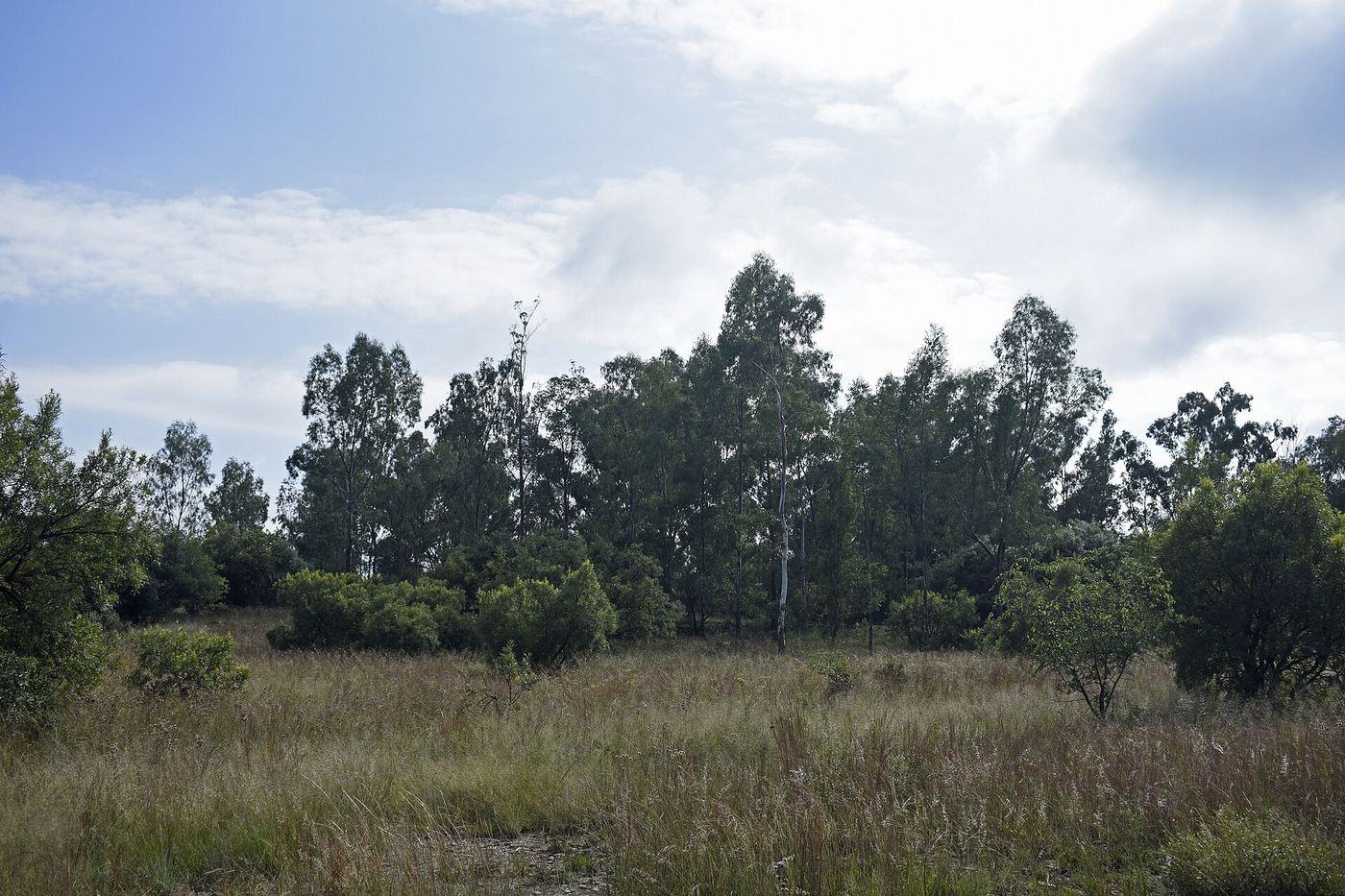
The Drakensberg's altitude means lower temperatures. A climate study reports that minimum winter temperatures on the escarpment can hit -13°C.
Top camps on the escarpment reportedly reach -12°C in winter.
Those are morning lows on still winter nights.
Fill and mat choice
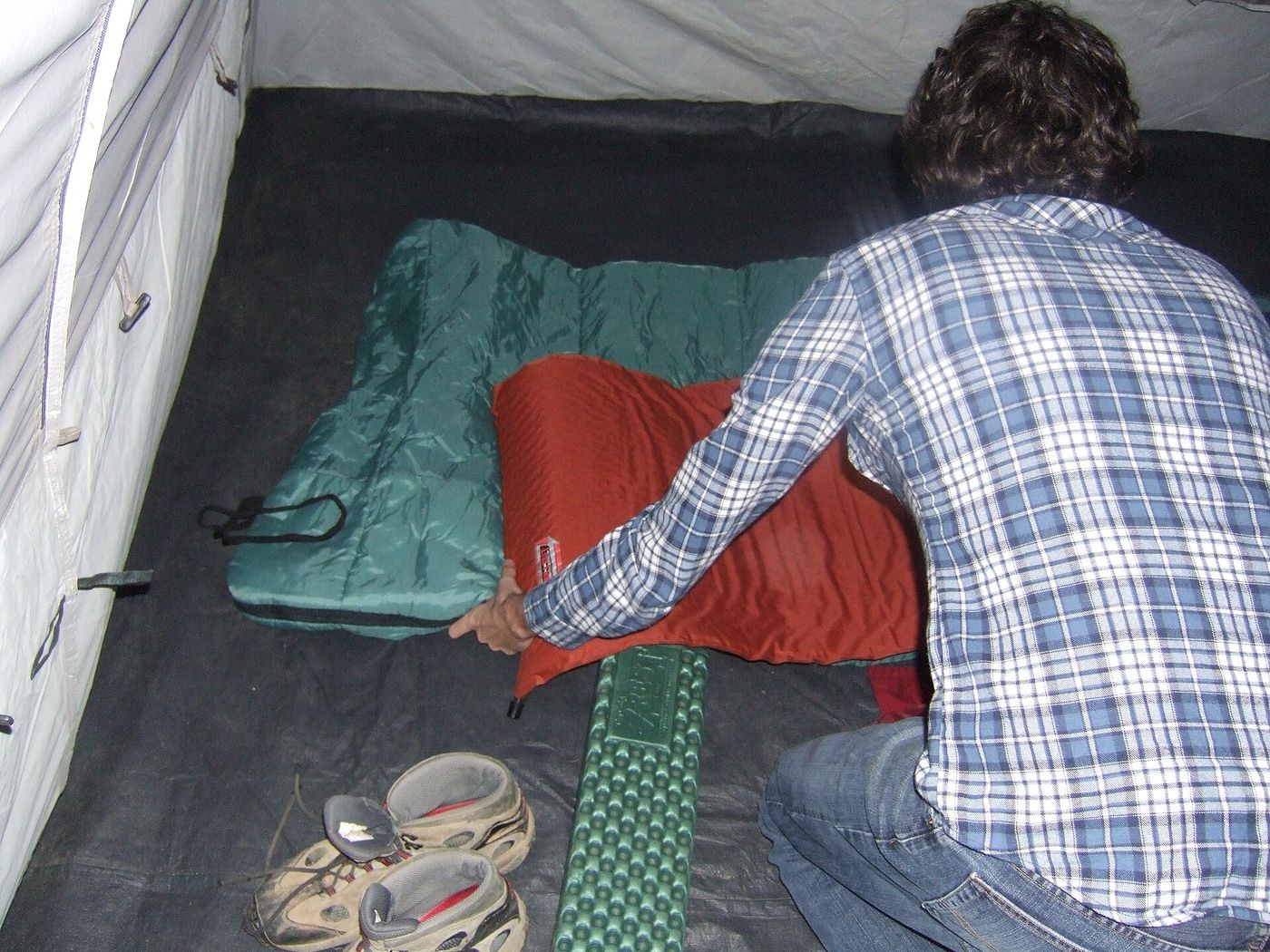
The key to cold-climate insulation is a balance of fill and sleeping mat.
Down is warmer than synthetic fill for its weight, but it loses much of its insulation when it gets damp. Many Drakensberg winter nights are dry and star-filled, so down will do the job. In misty or wet weather, synthetic fill keeps more of its warmth.
The mat matters too: the higher its R-value, the warmer you sleep.
What rating to look for
So what should a Berg winter bag be rated to? The bottom line is that the comfort rating is the figure that matters. That is the lowest temperature for a night of restful sleep.
What not to trust
The common mistake is buying by the limit temperature. It is not comfortable, certainly not restful, but a curled-up temperature for not yet feeling cold. The extreme rating is even less useful, because it is a survival figure.
Another mistake is trusting those very cold ratings as usable for Drakensberg sleeping comfort.
The practical advice is to check the forecast overnight low for the area, especially in mid-winter or after rain.
Start by choosing a bag whose comfort rating is at or below the coldest night you expect. If you sleep cold, add a liner and warm layers for a margin.