Snakebite First Aid on Trails
If you're hiking in South Africa and someone in your group gets bitten by a snake, the first thing to do is get them to a hospital as quickly and safely as possible. The best hiker first…
If you're hiking in South Africa and someone in your group gets bitten by a snake, the first thing to do is get them to a hospital as quickly and safely as possible. The best hiker first aid for snake bites is to keep the victim calm, keep them as still as possible and remove any tight clothing or accessories, like watches, bracelets, shoes and other articles that may hinder circulation. These are urgent immediate moves, the most important actions you can take.
What to Do First
The most important steps for first aid after a snake bite in South Africa are to keep the victim as calm and still as possible, and move them to hospital.
Movement helps to spread venom through the lymphatic system, so it's crucial to limit it. Keep the victim in a supine position, or lying flat on their back, and reassure them as you prepare to move them. A hospital is the only place that can treat it.
Before you move them, remove any tight jewelry or clothing on the affected limb. Rings, watches, bracelets, shoes, and tight pants can compress as the area swells, so undo them or remove them right away.
Different Snake Bites, Different First Aid Steps
Your first aid response depends on the type of snake responsible for the bite. Black Mamba and Cape Cobra bites, for instance, are neurotoxic, affecting the nervous system - with severe consequences if you don't act right. For these, the African Snakebite Institute recommends a pressure bandage once the snake has been identified.
Wrap a wide snakebite or crepe bandage firmly up the whole limb, starting at the bite. But do not do this if there's any doubt about the snake: the most important move is to rush the victim to the hospital, keeping the bitten limb as still as possible.
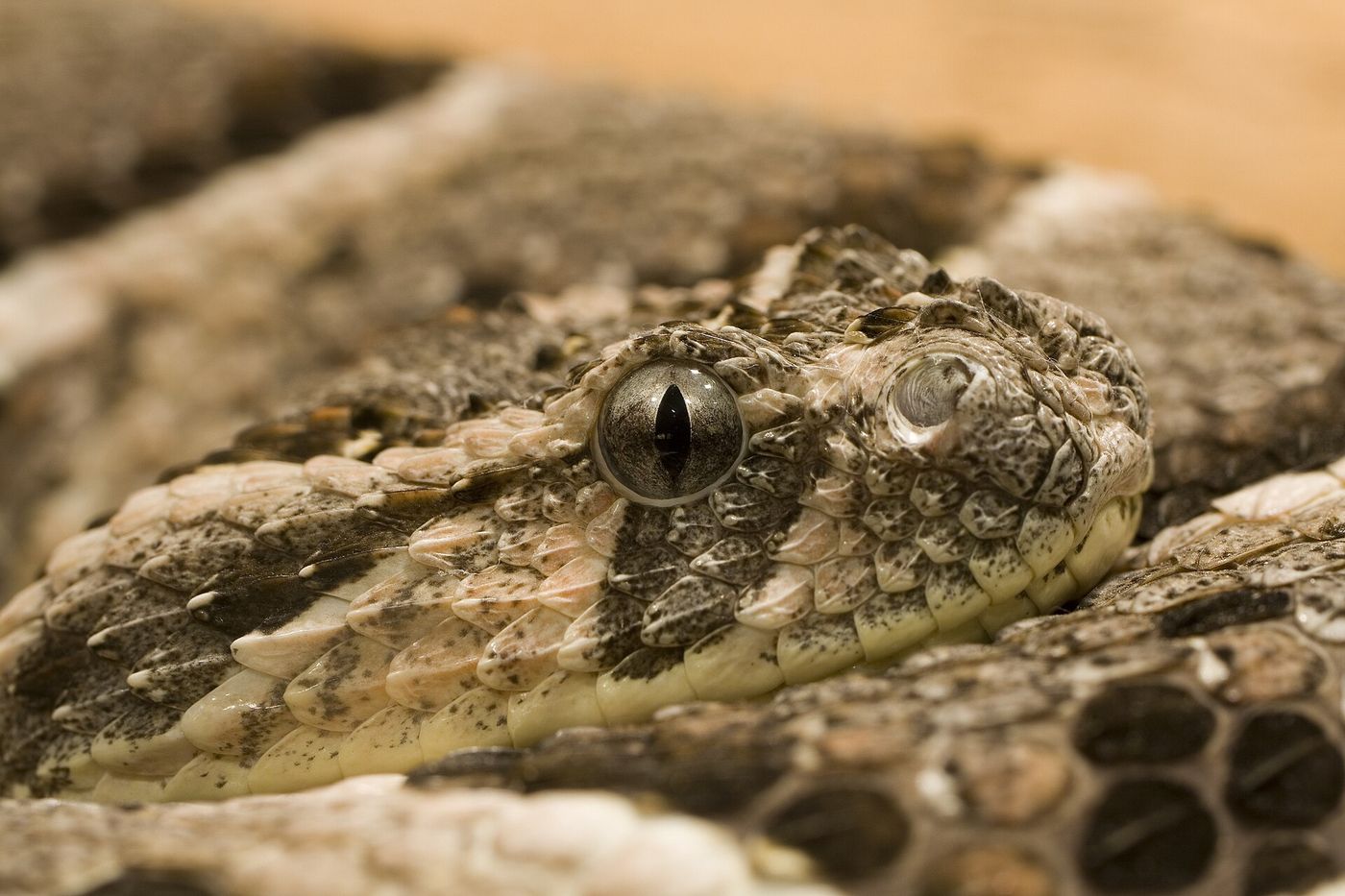
A puff adder bite is serious in a different way, and these are snakes you are more likely to meet. Symptoms may include severe pain, swelling, and tissue damage. Puff adders' venom is cytotoxin which destroys cells.
Many people want to use a pressure bandage for puff adder bites, to slow the venom spread, but that advice is wrong. Call for help immediately and get the person to hospital.
Multiple alternative treatments promise to "suction" or "remove" snake venom, but these are unsupported presumptions.
What to Avoid
There are some snakebite treatments that have no benefits. But they do seem to sound credible: the idea of sucking out venom, or cutting open the wound to drain it, has often been said. These treatments are harmful and should be avoided. The most dangerous threat is delaying access to professional treatment, and these practices can cause additional harm.
Cutting the wound or using a tourniqet are just among these methods. So are using ice or chemicals. Do not attempt to cauterise the wound with fire, flame, or electricity. Local incisions, or using any substance to "prevent or neutralise" venom are unsound ideas with no evidential basis.
Eye Exposure
Serious venom splattered in the victim's eyes requires immediate first aid. Most importantly, rinse the eyes out immediately with plenty of cool, cold water. Pour water over the open eyes from a bottle or tap for several minutes. If there is no water, any bland liquid such as milk will do. Then get the person to a doctor.
Common Snakes on Hiking Trails
Bites from the boomslang and black mamba are rare on South African hiking trails.
Puff adder bites are a more common concern. The African Snakebite Institute notes that puff adders account for many bites, often when people step on them. But the Rinkhals, Puff Adder and Boomslang are all snakes you should know on trail.
The Bottom Line
After a snake bite, your priority is to get the person safely and quickly to a hospital. Call emergency services and, whatever kind of snake it was, keep the bitten person still, remove any rings and make them comfortable. If venom gets in their eyes, start flushing with water immediately.
Anything else you've heard - cutting, sucking, electric shocks - ignore it. The sooner the victim with snakebite is at hospital, the better for them.