Tick Bite Fever After Hiking
If you spot a black scab and have a headache about a week after a hike, watch for other symptoms, and take them seriously. High fever and headache are two of the main signs you might have…
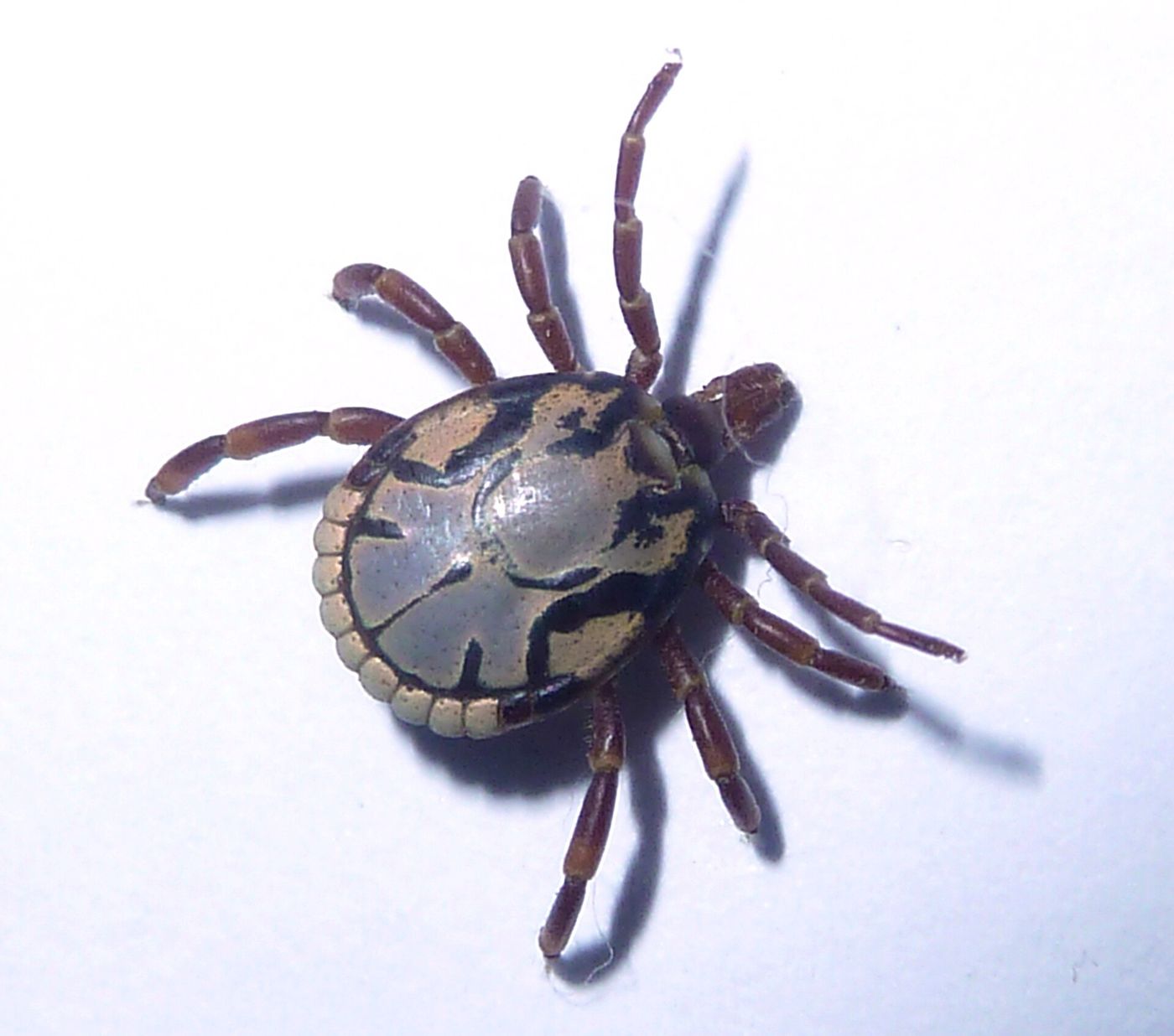
If you spot a black scab and have a headache about a week after a hike, watch for other symptoms, and take them seriously. High fever and headache are two of the main signs you might have African tick bite fever. Here is how to tell if you need a doctor's attention.
What the Timing Suggests
You'll usually start to notice symptoms of African tick bite fever 5 to 7 days after a tick bites you with an infected bite.
Sources indicate malaise and myalgia (muscle pain) in that early phase, with an incubation period of 5–10 days. The 7-day mark is usual, but not fixed.
What to Look For on the Skin
- Fever, Headache, and Rash: A combination of these three is a classic sign of African tick bite fever.
- Black Central Crust: The eschar forms a small central scab or crust — black, nearly 2–5 mm across, a bit like the start of an ulcer. Spot it where the tick bit you.
- Site of the Bite: The eschar shows at the spot where the tick latched on.
If these keep getting worse, raising you out of bed with high fever and intense headache, do not wait for a rash to show. That may not come yet; seek medical care.
What to Do Next
Get medical treatment promptly.
The sooner a tick is removed, the less likely it is to transmit rickettsias.
How to Remove a Tick and Lower the Risk
Run some water and soap over the area.
If you cannot get the mouthparts out, let the doctor do it.
How to Prevent the Next Bite
- Choose Full Coverage: Long pants and long sleeves help shield your skin from ticks, keeping them off in the first place.
- Carry DEET Repellent: Use an insect repellent with 25–50% DEET as an extra barrier, especially in high-risk hiking areas.
- Try Permethrin-Treated Clothing: Clothing treated with the insecticide permethrin has been shown to give some protection.
- Check Yourself Afterwards: Ticks are more likely to be caught and removed early, before symptoms appear.
So if you start feeling ill or develop skin changes in the weeks after a hike, and a black scab marks where a tick was, get a medical diagnosis and treatment. Use these hints, but do not self-diagnose or treat — let the experts look at your case.