Kloofing in the Magaliesberg
Day hikers looking to try kloofing in the Magaliesberg must know: these are not hiking-anywhere cliffside paths. The kloofs here are ecological reserves, controlled by the Mountain Club of…
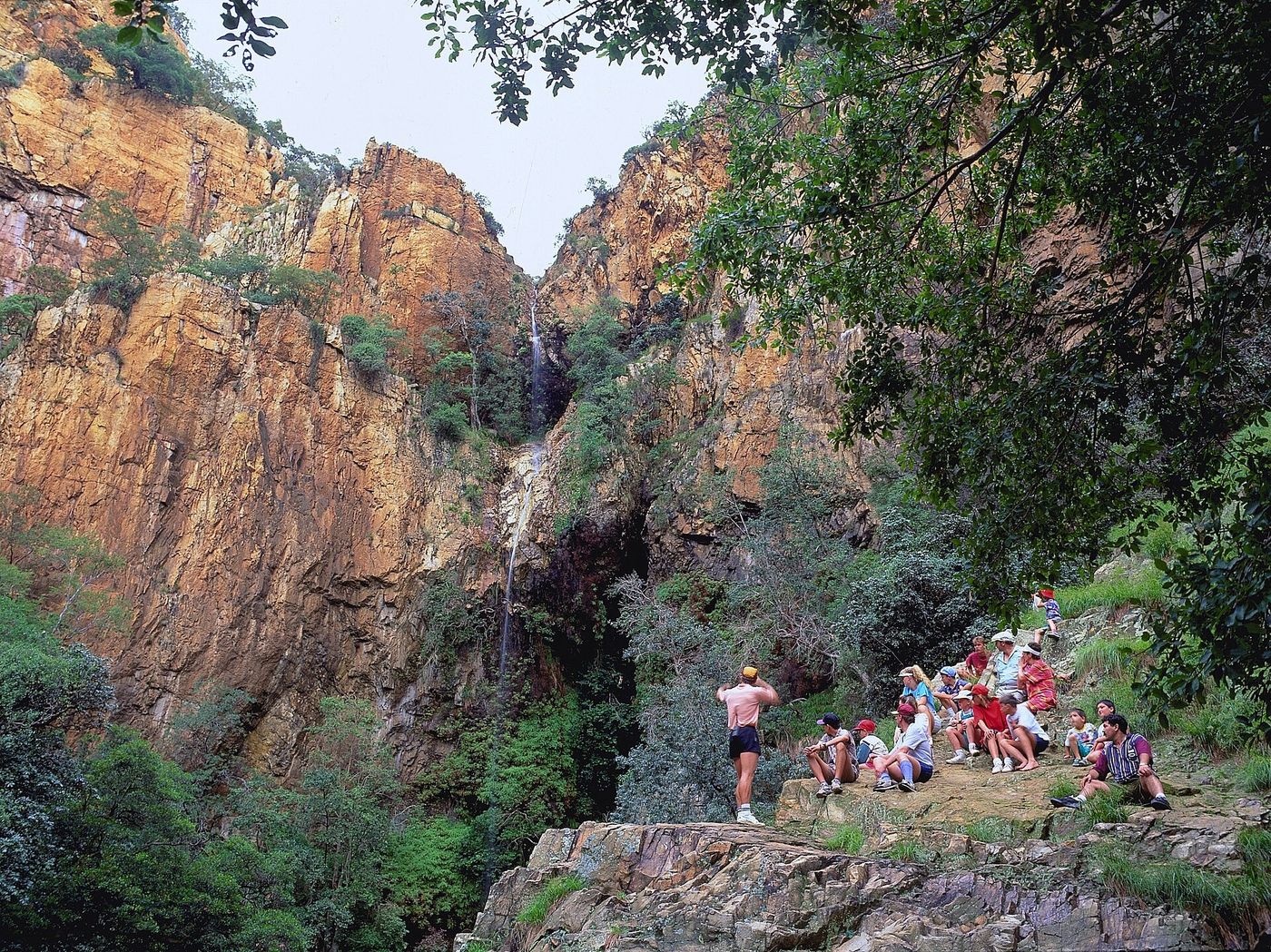
Day hikers looking to try kloofing in the Magaliesberg must know: these are not hiking-anywhere cliffside paths. The kloofs here are ecological reserves, controlled by the Mountain Club of South Africa, with access for non-members only available with advance permission.
Magaliesberg kloofs require special permits
The kloofs in and around the Magaliesberg are part of a controlled network of reserves and hiking area owned by the Mountain Club of South Africa. Non-members must get a permit from the relevant MCSA section to access these properties.
The MCSA Magaliesberg Section manages the popular kloofs like Grootkloof and Ysterhoutkloof, and requires non-members to obtain permits in advance. These permits must be carried at all times, including on the kloof itself, to avoid any risk of being treated as trespassers.
Non-members cannot book a permit for the first full weekend of each month, as these weekends are reserved exclusively for MCSA members and their guests. The organisational responsibility and decision-making lie with the MCSA Sections, not the landowners.
The Johannesburg MCSA Section, which also holds land in the Magaliesberg, has specific rules too.
What is kloofing, anyway?
For South African hikers, kloofing means moving through a stream-filled canyon, typically using climbing and abseiling skills to negotiate the terrain. While technically similar to European-style canyoning, the routes and challenges are different because of the Magaliesberg bedrock and weathering.
You need climbing skills, not wilderness camping skills, but navigation is still important.
Advice on equipment to bring
First-time kloofers must weight their packs carefully, with waterproof clothing and footwear essential. Traction is key, but so is keeping unnecessary gear dry. Proper footwear can mean the difference between injury and a safe retreat when you need it most.
Wearing supportive boots is an essential safety precaution.
The essential kitting for first-timers is waterproofing pouches, a first-aid kit, a map,, and sensible winter hiking gear. You are unlikely to need a boat, but every party should have essential safety gear.
Book your permits, know the cut-offs
The crucial part of planning is knowing when you can book, and when you cannot.
Avoid harming shoreline and fauna. Flooding can close kloofs without warning, especially after heavy rains.
Which Magaliesberg kloof is right for you?
For first-timers with some hiking experience, different kloofs offer varying levels of difficulty for lower- and higher-skill parties, as long as you use good judgement.
Flash floods: risk assessment and outdoor sports regulations
After a storm, kloofing is certainly on the danger list.
However, there is a flooding risk in the kloofs and streams in the Magaliesberg Range
The Bottom Line
Kloofing in the Magaliesberg is no casual hike—it's a tightly controlled, skill-intensive adventure. Check the MCSA sections' permit pages and plan ahead, as weekend cut-off times and reserved dates can scupper your trip. Tailor your gear to the terrain and your skill level, and always prioritise safety and conservation in these sensitive ecosystems.